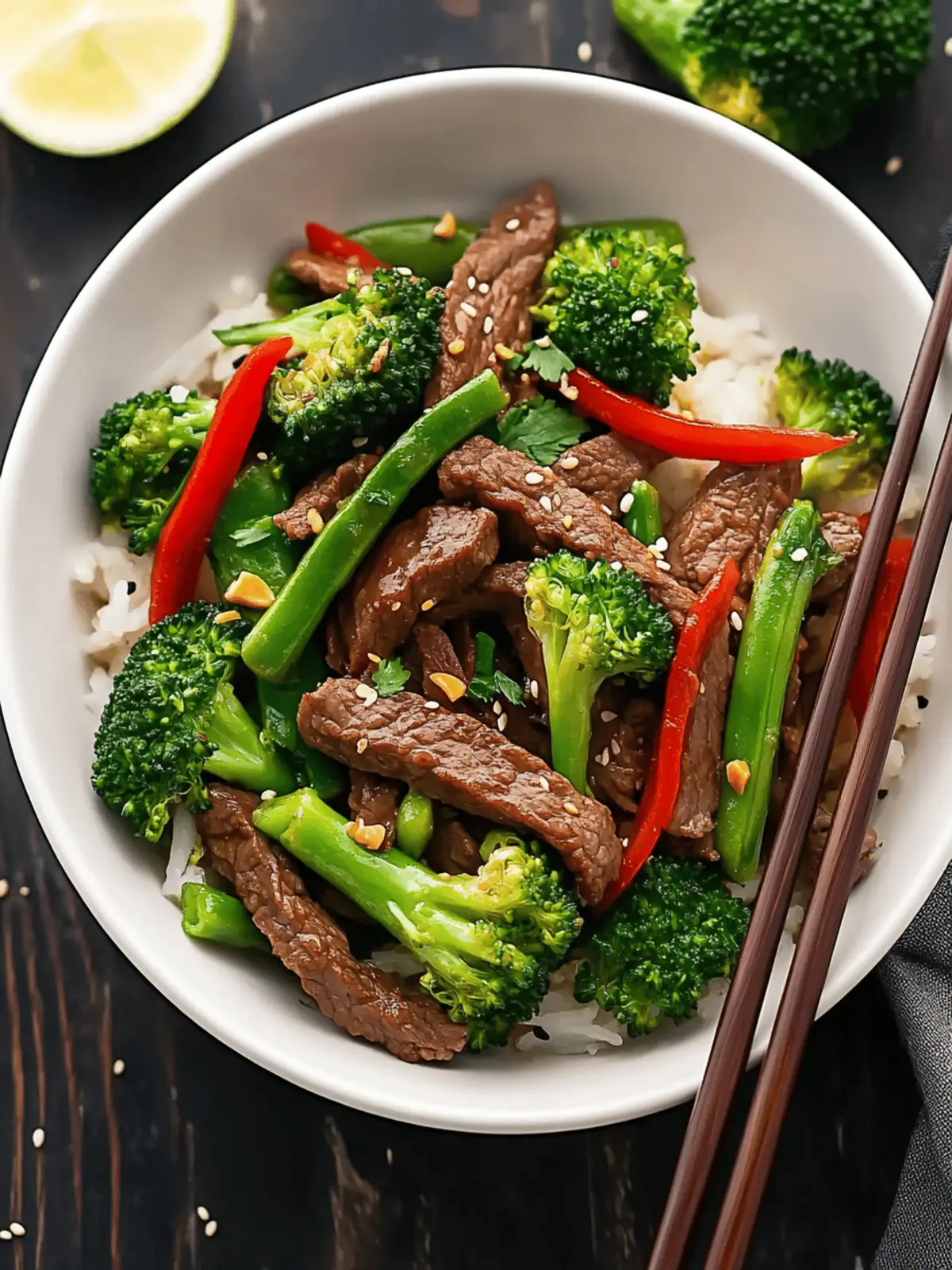
Forget everything you thought you knew about beef and broccoli. While the classic takeout staple holds a special place in our hearts, imagine if that familiar comfort food took a vibrant detour to the bustling streets and aromatic kitchens of Thailand. This isn't your childhood dish; it’s a bold, spicier, and exquisitely nuanced cousin, brimming with the distinctive zest and depth of Southeast Asian flavors. If you're seeking to elevate your stir-fry game and unlock an entirely new dimension of taste, prepare to master a dish that’s both familiar in concept and revolutionary in flavor: Thai-style Beef & Broccoli.
The Culinary Journey: From Canton to Krung Thep
The story of beef and broccoli is, in many ways, a testament to culinary evolution and the ingenious adaptability of immigrants. The widely accepted tale, while perhaps apocryphal, is delightfully believable: Chinese immigrants arriving in North America yearned for the flavors of home, particularly their beloved beef and gai lan (Chinese broccoli). When gai lan proved scarce, resourceful cooks found an excellent stand-in in Western broccoli, giving birth to the dish we now commonly recognize. It's a classic example of adaptation leading to innovation, and a beautiful metaphor for how good things happen when traditions meet new environments. This culinary narrative perfectly sets the stage for our Thai-style rendition, where a Chinese concept meets Thai ingredients and techniques, resulting in a dish that truly sings with "big Southeast Asian flavors." To truly appreciate the depth of this transformation, it's worth exploring how these regional nuances reshape a beloved classic. Discover how to Unlock Big Southeast Asian Flavors in Beef and Broccoli and embark on a delicious adventure.
Choosing Your Greens: Gai Lan, Broccolini, or Broccoli?
The choice of greens is more significant than you might think in a beef and broccoli stir fry, particularly when aiming for that authentic Thai-style experience. While traditional Chinese versions often feature gai lan, its availability can be a stumbling block for many home cooks. Don't despair if you can't find it; modern culinary adaptation offers delicious alternatives:
- Gai Lan (Chinese Broccoli): This is arguably the gold standard for its slightly bitter edge, tender stems, and robust leafy tops. It holds up beautifully to high heat and adds a distinctive, authentic touch. If you can find it, embrace it! Trim the woody ends and slice thicker stems diagonally for even cooking.
- Broccolini: A fantastic and widely available compromise. Broccolini is a hybrid of broccoli and gai lan, offering a sweeter, milder flavor than gai lan but with a similar crisp-tender texture and elegant appearance. Its slender stalks and delicate florets cook quickly and beautifully, making it an excellent choice for achieving that desirable char.
- Standard Broccoli: The most accessible option. While it lacks the subtle bitterness of gai lan or the slender grace of broccolini, it still provides a satisfying crunch and nutritional boost. For best results, cut the florets into bite-sized pieces and slice the peeled stems thinly to ensure everything cooks evenly and quickly.
No matter your choice, the key is to ensure your greens are fresh, vibrant, and prepared correctly to withstand the intense heat of the stir-fry and absorb the rich flavors of the sauce.
The Secret to Sizzling Success: Mastering the Wok for Char
Achieving that coveted smoky char – the hallmark of a truly great stir fry – is where many home cooks falter. Restaurants benefit from industrial-strength burners that generate immense heat, a luxury most home kitchens lack. Trying to mimic their method by overcrowding your pan at lower temperatures is a recipe for steamed, rather than seared, ingredients. The secret lies in understanding your equipment and cooking in strategic phases. This approach ensures your beef achieves a beautiful browning and your greens develop that wonderful, slightly smoky char that elevates the entire dish.
Phase 1: Achieving Perfect Beef Browning
The number one enemy of browning is water. As beef cooks, it naturally releases moisture. If you dump all your beef into the pan at once, the temperature of your wok will plummet, and the beef will steam in its own juices instead of searing. This is why cooking in batches is non-negotiable for tender, caramelized beef.
Heat your wok or a large, heavy-bottomed skillet over high heat until it's smoking. Add a generous swirl of high smoke point oil (like grapeseed or peanut oil). Once shimmering, add about half of your thinly sliced beef in a single layer, ensuring pieces don't overlap. Resist the urge to move it immediately. Let it sear undisturbed for 60-90 seconds to develop a deep brown crust, then toss quickly and cook for another minute or two until mostly browned. Remove the first batch to a plate and repeat with the remaining beef, adding more oil if needed. This extra few minutes is an investment in flavor and texture that pays off immensely.
Phase 2: Developing Char on Your Greens
Once your beef is browned and set aside, it's time to tackle the vegetables. Again, high heat and minimal crowding are key for that appealing char. Ensure your wok is screaming hot. Add a little more oil, then toss in your prepared greens (gai lan, broccolini, or broccoli) and any other aromatics like sliced onions or bell peppers.
Really push the heat. Stir-fry vigorously, allowing the vegetables to come into direct contact with the hot metal for short periods. You're looking for those desirable darkened, slightly blistered spots on the edges of your broccoli or broccolini. This char adds a layer of smoky depth and a satisfying texture that's miles away from limp, steamed veggies. This process usually takes 3-5 minutes, depending on the vegetable and desired tenderness.
Phase 3: The Grand Reunion and Sauce Integration
With your beef perfectly seared and your greens beautifully charred, it's time to bring everything together. Return the browned beef to the wok with the vegetables. Quickly pour in your pre-mixed Thai-style sauce (we’ll dive into this next!). Toss everything rapidly to coat, allowing the sauce to thicken slightly and meld with all the ingredients. The high heat will quickly warm the beef through without overcooking it, ensuring it remains tender. Serve immediately over steamed jasmine rice, garnished with fresh herbs if desired.
The Heart of Thai: Ingredients That Transform
What truly distinguishes this "beef and broccoli Thai style" from its Chinese-American counterpart lies in the nuanced choice of core ingredients. While the concept is shared, the flavor profile undergoes a profound transformation. This isn't just about adding a bit of spice; it's about a fundamental shift in the aromatic building blocks:
- Soy Sauce: The difference between Thai and Chinese soy sauces is significant. Thai light soy sauce (often "thin soy sauce" or "sauce with soy bean") tends to be saltier and more aromatic, while Thai dark soy sauce (often "sweet dark soy sauce") is thicker, sweeter, and less salty, primarily used for color. Using these imparts a distinct baseline flavor compared to Chinese varieties.
- Oyster Sauce: Similarly, Thai oyster sauce (often made with a higher concentration of oyster extract and sometimes with a touch of sugar) offers a richer, slightly sweeter, and more complex umami profile than many Chinese versions. These subtle differences add up.
- Fish Sauce (The Sledgehammer): This is the unequivocal game-changer, the ingredient that screams "Thai" loudest. Thai fish sauce (Nam Pla) provides an incomparable salty, savory, umami punch that is central to Thai cuisine. It adds a depth and fermented complexity that regular soy sauce alone cannot achieve. It's the secret weapon that elevates this dish from merely "beef and broccoli with a kick" to a true Thai-style experience. Don't be shy with it – it ties all the flavors together.
- Balancing Act: To further enhance the Thai profile, consider incorporating a touch of palm sugar to balance the saltiness and acidity, and perhaps a dash of white pepper or finely minced bird's eye chilies for a genuine heat. Fresh garlic and ginger, while common in many Asian cuisines, are often used liberally in Thai cooking to build a robust aromatic foundation.
The interplay of these specific Thai ingredients creates a flavor tapestry that is simultaneously familiar and excitingly new. It’s rich, savory, subtly sweet, and wonderfully aromatic, truly capturing the essence of Southeast Asian cooking. Understanding these distinctions is key to unlocking the authentic taste of this dish, and for a deeper dive into these ingredient nuances, check out our article on Thai vs. Chinese Beef & Broccoli: Why Ingredients Matter.
Mastering Thai Beef & Broccoli is more than just following a recipe; it's an exploration of flavor, technique, and culinary adaptation. By understanding the importance of high-heat stir-frying in phases to achieve that crucial char, and by embracing the unique flavor profile offered by specific Thai ingredients like fish sauce, you can transform a familiar dish into an exhilarating culinary experience. This isn't just a meal; it's a testament to how good food evolves, bringing vibrant, bold Southeast Asian flavors right into your kitchen. So grab your wok, gather your ingredients, and prepare to impress your taste buds with a dish that will quickly become a new favorite.
