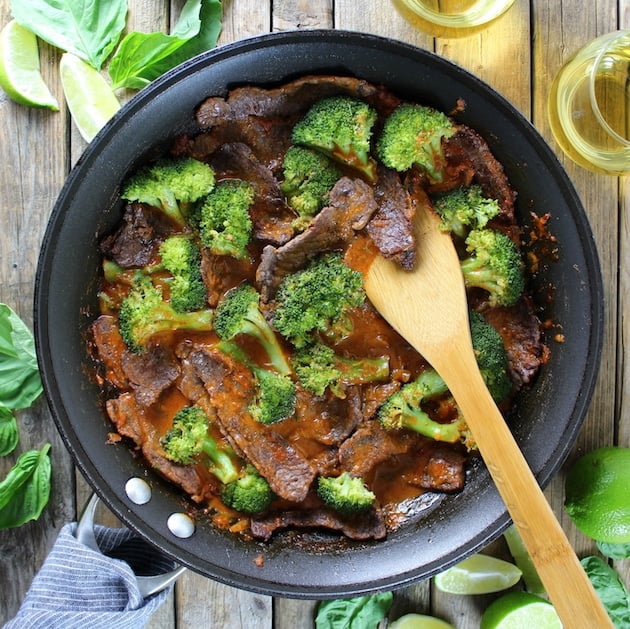
Thai vs. Chinese Beef & Broccoli: Why Ingredients Matter in Your Stir-Fry
The beloved beef and broccoli stir-fry holds a cherished spot in countless kitchens around the world. For many, it evokes the comforting, savory-sweet flavors of a classic Chinese-American takeout dish. But what if you could take this familiar concept and imbue it with the vibrant, complex soul of Southeast Asian cuisine? Enter
beef and broccoli Thai style – a dish that, while sharing a name and core components, offers a radically different, exhilarating culinary experience. The secret, as with all great food, lies not just in the technique, but profoundly in the ingredients chosen.
The Culinary Crossroads: Chinese Classic Meets Thai Spirit
The story of beef and broccoli, in its most common form, is a testament to culinary adaptation and immigrant ingenuity. Legend has it that as Chinese immigrants arrived in North America, they yearned for the tastes of home, particularly dishes featuring gai lan (Chinese broccoli). When gai lan was scarce, they turned to the readily available Western broccoli, creating a new classic. This dish, evolving through generations, solidified into the comforting, often sweet and salty stir-fry we recognize today, characterized by rich soy sauce, often a touch of sugar, and sometimes a thickening cornstarch slurry.
Now, imagine this concept – tender beef, crisp-tender broccoli, and a savory sauce – reimagined through a Thai lens. This isn't just a slight variation; it's a fundamental shift in flavor philosophy. A true
beef and broccoli Thai style isn't simply the Chinese version with a dash of spice. It's an exploration of balance – the interplay of sweet, sour, salty, and spicy, often with a unique umami depth that is distinctly Thai. It trades the "formula" tasting profile for something more dynamic, more fragrant, and undeniably bolder. If you're seeking the familiar comfort of Chinese-Canadian or American beef and broccoli, this might not be your traditional go-to. But if you're ready for an adventure bursting with big Southeast Asian flavors, prepare to be delighted.
The Heart of the Matter: Why Thai Ingredients Make All the Difference
The magic of transforming a classic beef and broccoli into a
beef and broccoli Thai style dish lies almost entirely in the sauce components. At first glance, you might think soy sauce and oyster sauce are universal, but the nuances between their Chinese and Thai counterparts are profound. These differences aren't minor; they fundamentally reshape the entire flavor profile.
- Soy Sauce: Chinese light soy sauce often boasts a clean, salty umami, while its dark counterpart is richer, thicker, and slightly sweeter, primarily used for color. Thai soy sauces, particularly Thai thin soy sauce (often labelled "light soy sauce"), tend to have a different fermentation process and a distinct aroma, often less intensely salty and with a subtle sweetness or earthy complexity that sets it apart. Swapping Chinese for Thai soy sauce is the first step in recalibrating the dish's foundation.
- Oyster Sauce: While both Chinese and Thai cuisines utilize oyster sauce, their profiles differ significantly. Chinese oyster sauce is typically thicker, sweeter, and deeply savory with a robust oyster flavor. Thai oyster sauce often presents a lighter consistency, a more balanced sweetness, and a slightly less assertive oyster presence, allowing other flavors to shine through. This seemingly small distinction contributes significantly to the overall harmony of a beef and broccoli Thai style sauce.
- Fish Sauce: The Sledgehammer of Flavor: This is arguably the most transformative ingredient. Fish sauce (nam pla in Thai) is the undisputed king of umami in Thai cuisine, providing a pungent, salty, and incredibly complex depth that is completely absent from traditional Chinese beef and broccoli. It's not just salty; it carries a fermented, savory funk that elevates and rounds out all the other flavors. Adding fish sauce is like injecting the dish with an unmistakable Thai identity – it’s a game-changer that pushes the flavor profile far beyond its Chinese origins.
- Other Thai Aromatics (Optional, but Influential): While not always present in every basic beef and broccoli Thai style recipe, the spirit of Thai cuisine also embraces ingredients like fresh chilies for heat, garlic, and sometimes a hint of palm sugar to balance the saltiness and tartness, creating that signature sweet-sour-salty-spicy dynamic. These elements further distance the Thai version from its Chinese cousin.
Without these specific Thai ingredients, even with the right technique, your dish will likely remain a Chinese-style stir-fry, perhaps a spicier one, but not truly Thai. The interplay of these distinct flavors creates a dish reminiscent of the underlying notes found in popular Thai noodle dishes like Pad See Ew – a savory, slightly sweet, and deeply satisfying experience, but here, without the noodles and with beef taking center stage.
Mastering the Stir-Fry: Techniques for "Beef and Broccoli Thai Style"
Beyond the ingredients, proper stir-fry technique is paramount to achieving the desired texture and flavor in your
beef and broccoli Thai style. Home cooks face a challenge that professional restaurants overcome with high-BTU woks and immense "wok hei" (the breath of the wok, a smoky, charred flavor). But with a few smart adjustments, you can achieve fantastic results in your own kitchen.
The biggest enemy of a perfectly seared stir-fry is moisture. When too many ingredients are crowded into a pan, they steam rather than sear, leading to bland, grey beef and limp, uncharred vegetables. The solution is simple but effective: stir-fry in phases.
- Beef First, in Batches: Start by cooking your marinated beef in two or more batches. This ensures that the pan doesn't cool down too much, allowing the beef to truly brown and develop a flavorful crust. Beef releases water as it cooks, and by cooking in smaller portions, you minimize this moisture, achieving that desirable caramelization. It adds an extra minute or two to your cooking time, but it’s time well spent.
- Crank the Heat for Veggies: Once the beef is done and set aside, turn the heat up high. Add a bit more oil and introduce your vegetables. Whether you're using broccolini (widely accessible and excellent) or the more traditional gai lan (if you can find it, go for it!), you want to push them hard. Stir-fry vigorously, letting them develop a beautiful, smoky char on their edges. That slight char adds depth and a wonderful texture to your beef and broccoli Thai style.
- Bring it All Together: Finally, return the beef to the wok, pour in your carefully crafted Thai-inspired sauce, and toss everything together quickly until the sauce coats all the ingredients and thickens slightly. Serve immediately over steamed jasmine rice. For more detailed tips on achieving that perfect char, refer to our guide on Master Thai Beef & Broccoli: Stir Fry Secrets for Char.
This methodical approach, combined with the power of distinct Thai ingredients, elevates the dish from good to extraordinary.
Conclusion: Embrace the Flavor Journey
The journey from a classic Chinese beef and broccoli to a vibrant
beef and broccoli Thai style is a powerful illustration of how critical ingredients are in shaping culinary identity. It's a tale of cultural adaptation, flavor evolution, and the pure delight of discovering new taste dimensions within a familiar framework. By consciously choosing Thai soy sauce, Thai oyster sauce, and, most importantly, the foundational umami bomb that is fish sauce, you transform a simple stir-fry into a dynamic symphony of sweet, salty, sour, and spicy notes. This dish isn't just beef and broccoli; it's an experience that surprises and satisfies, proving that a fresh perspective and authentic ingredients can breathe entirely new life into a beloved classic. So, if you're ready to surprise your palate and explore the rich tapestry of Southeast Asian flavors, dive into the world of beef and broccoli Thai style. You might just discover your new favorite stir-fry.